Waterproofing Ventura County - Protect Patios, Balconies, Concrete Services
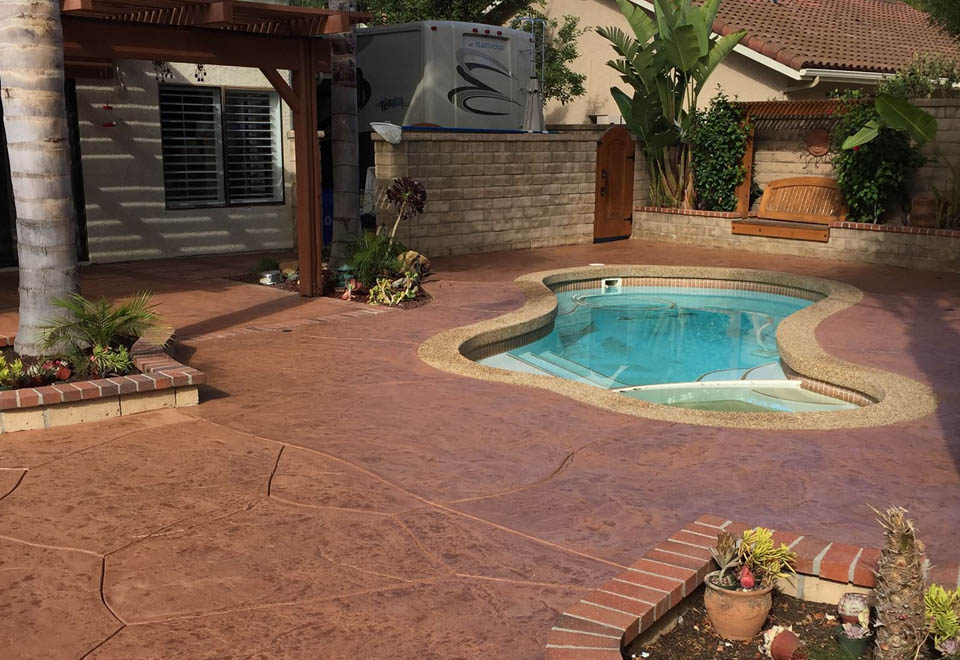
Water can gradually damage concrete, coatings, walls, balconies, patios, foundations, and other building surfaces when it finds a way through cracks, joints, porous materials, failed sealants, worn coatings, or vulnerable transitions. For property owners searching for waterproofing Ventura services, one of the most important steps is understanding where moisture may be entering the structure and addressing the problem before visible damage spreads.
Waterproofing is not simply about covering a surface with another coating. A successful waterproofing project begins with evaluating the existing condition of the surface, identifying possible points of water entry, understanding drainage patterns, and determining whether damaged areas need restoration before a new protective system is installed.
Waterproofing is also not limited to one type of property or surface. Patios, balconies, walkways, concrete decks, exterior walls, elevated surfaces, commercial structures, multifamily properties, and below-grade areas can all require different approaches. The right solution depends on the location, the condition of the substrate, how water is moving, how the area drains, and whether the goal is prevention, restoration, or both.
For residential and commercial property owners in Ventura and surrounding communities, identifying a waterproofing problem early can help reduce the possibility of more extensive deterioration later. Small cracks, worn coatings, deteriorated transitions, and recurring moisture should be investigated before they develop into larger repair concerns.
Why waterproofing deserves attention
Concrete may look solid, but it is not completely impervious to water. Small cracks, porous areas, construction joints, control joints, gaps around edges, railing penetrations, drains, wall transitions, and deteriorated coatings can all create pathways for moisture.
Once water reaches vulnerable layers beneath a surface, the visible problem may become much larger than the original opening. A small crack in a balcony coating, for example, may allow moisture to migrate beneath the finished surface and eventually appear as staining or deterioration on the ceiling below.
Moisture intrusion can contribute to staining, peeling finishes, bubbling coatings, surface deterioration, musty odors, efflorescence, and damage to adjacent materials. On an elevated balcony or patio, water can also move into areas below the surface. In a below-grade space, moisture may appear along walls, floors, seams, penetrations, or construction joints.
Repeated wetting can also accelerate deterioration of certain building materials. A surface that appears to have only cosmetic damage may have an underlying waterproofing issue that should be evaluated before refinishing or resurfacing work begins.
Addressing waterproofing concerns early may make it easier to identify the source and plan the work. Waiting until a surface has extensive deterioration can make the project more involved because restoration, removal of failed materials, crack repair, or substrate preparation may be needed before a new waterproofing system can perform properly.
How water finds its way into a property
Water intrusion does not always occur where the visible damage appears. Moisture can travel beneath coatings, through joints, along framing or concrete, around penetrations, or through poorly sealed transitions before becoming visible somewhere else.
That is one reason recurring leaks can be difficult to diagnose. A stain on a ceiling below a balcony may originate from a crack several feet away. Moisture appearing near a wall may actually be entering around a railing penetration, door threshold, drain, or deck-to-wall transition.
A professional waterproofing evaluation should consider the entire affected area instead of focusing only on the most obvious visible symptom.
Potential sources of water intrusion can include:
💧 Cracks in concrete or coatings
💧 Failed or deteriorated sealants
💧 Balcony and patio edges
💧 Railing penetrations
💧 Door thresholds
💧 Wall-to-deck transitions
💧 Drain and scupper areas
💧 Construction joints
💧 Low spots where water collects
💧 Porous or deteriorated concrete
💧 Worn waterproofing membranes
💧 Failed surface coatings
💧 Below-grade cracks or joints
Understanding how these areas interact can help determine whether a project needs localized repair, broader surface restoration, or a more comprehensive waterproofing solution.
Common areas that may need waterproofing
Patios and outdoor concrete
Patios are continuously exposed to changing weather, direct sunlight, standing water, foot traffic, furniture, irrigation, and repeated cycles of wet and dry conditions. Over time, these conditions can affect coatings, sealants, joints, and the concrete surface itself.
Cracks or worn surface treatments can allow water to remain on or move through the concrete. Poor drainage or low spots may increase the amount of time moisture stays in contact with the surface, particularly after rain, irrigation, or cleaning.
Patio waterproofing can be part of a broader maintenance and restoration plan for an outdoor living area. Before waterproofing work begins, the surface should be evaluated for cracks, damaged areas, uneven sections, previous coatings, and places where water may collect.
A waterproofing project may need to include surface preparation or concrete restoration so the finished system has a sound substrate. Applying a new coating directly over damaged or deteriorating material may not address the condition underneath.
Property owners should also pay attention to patio transitions near walls, doors, steps, drains, and adjacent landscaping because these areas may influence how water moves across or around the surface.
Balconies and elevated surfaces
Balconies require particular attention because water that passes through the surface can affect structural materials and finished areas below. Unlike a ground-level patio, an elevated balcony may have occupied space, walkways, patios, garages, or other areas beneath it.
Visible signs of balcony waterproofing problems may include staining on a ceiling or wall beneath the balcony, peeling finishes, damp edges, cracks, bubbling coatings, deterioration around railings, or moisture near drains and wall connections.
Balcony waterproofing involves more than applying a product to the most obvious damaged spot. Edges, transitions, railing penetrations, joints, drains, door thresholds, wall connections, and drainage paths should all be considered.
Water can enter through one location and travel beneath the waterproofing surface before it becomes visible. As a result, repairing only the area directly above a stain may not always resolve the source of the leak.
A professional assessment can help determine whether the concern is limited to the surface or whether underlying restoration is also needed before a new waterproofing system is installed.
Deck waterproofing
Exterior decks experience many of the same waterproofing challenges as balconies. Sun exposure, rain, foot traffic, structural movement, and aging materials can gradually affect the performance of the deck surface.
A properly functioning deck waterproofing system should help move water away from the structure while protecting the substrate beneath the walking surface. When cracks, worn coatings, damaged transitions, or drainage problems develop, moisture may begin to work its way underneath.
Deck waterproofing projects may require attention to surface preparation, cracks, wall connections, drains, edges, railing posts, expansion areas, and thresholds. These details are particularly important because many waterproofing failures begin at transitions rather than in the middle of the deck.
Concrete surfaces and structures
Concrete restoration and waterproofing often work together. A surface with cracks, spalling, worn coatings, exposed areas, or other deterioration may need corrective work before it can be effectively protected from future moisture exposure.
Covering a damaged area without understanding the condition beneath it may leave the original source of the problem unresolved. Loose material, deteriorated concrete, failing coatings, and untreated cracks can interfere with the performance of a new waterproofing system.
Concrete restoration can involve evaluating the extent of deterioration, preparing the surface, repairing affected areas, and selecting work appropriate to the specific conditions of the project.
The exact method depends on the existing structure and the condition of the substrate, so property owners should ask how concrete restoration, surface preparation, and waterproofing will be coordinated.
Waterproofing and restoration may be appropriate for concrete patios, walkways, balconies, decks, exterior traffic areas, walls, and other surfaces that are regularly exposed to moisture.
Basements and below-grade spaces
Basements and other below-grade areas can be exposed to moisture from surrounding soil, drainage conditions, wall cracks, floor joints, construction seams, plumbing penetrations, and other vulnerable locations.
Water may appear as an active leak, dampness, staining, discoloration, efflorescence, bubbling finishes, or a recurring musty odor.
Basement waterproofing begins with understanding how water is entering the space. The solution may involve addressing walls, floors, joints, cracks, penetrations, or other vulnerable areas.
Because below-grade moisture can have several possible sources, a careful evaluation is important before selecting a waterproofing or restoration approach.
Simply repainting or covering an interior stain may improve the appearance temporarily, but it does not necessarily correct the source of the moisture.
Walkways and exterior traffic surfaces
Exterior walkways and traffic surfaces may also benefit from waterproofing or protective surfacing systems, particularly when they are elevated or positioned above occupied or usable areas.
These surfaces experience regular foot traffic in addition to sun, moisture, and temperature changes. Cracks, worn coatings, deterioration near edges, and drainage issues can gradually reduce the effectiveness of the existing protective surface.
When a walkway is located over another area, waterproofing becomes especially important because moisture can potentially affect both the walking surface and the structure beneath it.
Warning signs that should not be ignored
Some waterproofing problems are easy to see, while others develop gradually. Property owners should watch for signs that could indicate moisture is entering or affecting a surface.
💧 Cracks in concrete, coatings, walls, or joints
💧 Peeling, bubbling, blistering, or flaking finishes
💧 Water stains on ceilings, walls, or surfaces below a patio or balcony
💧 Discoloration that returns after cleaning or drying
💧 Musty odors in enclosed or below-grade areas
💧 Efflorescence, which may appear as a powdery white deposit on masonry or concrete
💧 Areas where water pools instead of draining away
💧 Deteriorated edges, seams, penetrations, or transitions
💧 Visible dampness after rain or other water exposure
💧 Cracking or deterioration near drains
💧 Loose or separating coatings
💧 Moisture around door thresholds
💧 Staining beneath elevated decks or balconies
💧 Recurring repairs that fail after subsequent rain
One sign does not always identify the exact cause. For example, a crack may be allowing water through, or it may be a symptom of a larger surface, drainage, or substrate concern.
That is why tracing the source matters before deciding what work is necessary. Treating the symptom without addressing the source may allow the moisture problem to continue.
Why recurring leaks deserve additional investigation
A leak that repeatedly returns after repairs is often a sign that the actual entry point has not been fully identified.
Water may move beneath a coating, follow a joint, travel along structural materials, or migrate from an adjacent area before it becomes visible. As a result, the location of a stain or drip may only show where the water exits rather than where it entered.
Recurring problems should prompt a broader review of the surrounding surface, transitions, drainage, penetrations, and previous repairs.
Documenting when the leak occurs can also help. Property owners may want to note whether the problem appears during heavy rain, light rain, irrigation, washing, or continuously. This information can help narrow down possible sources.
What to consider before starting a waterproofing project
Identify the affected area
Start by noting where moisture is visible and when it appears. Does it occur after rain, during irrigation, after cleaning, or continuously? Is it located on an exposed patio, beneath a balcony, beside a wall, near a drain, or in a basement?
Photographs can also be helpful when documenting staining, cracks, peeling coatings, or areas where water collects.
These details can help focus the evaluation and make it easier to compare the visible symptoms with potential entry points.
Look beyond the visible damage
The visible stain or crack may not represent the full extent of the issue. Water can travel along surfaces and emerge some distance from the original entry point.
A thorough review should consider adjacent areas, edges, seams, drains, penetrations, wall transitions, railing posts, thresholds, and changes between materials.
For elevated areas, it is also useful to inspect the surfaces below for staining, discoloration, or deterioration that may indicate moisture is passing through the assembly.
Ask about surface preparation
Surface preparation is one of the most important parts of a waterproofing project.
Ask whether the existing surface needs cleaning, crack repair, removal of failed coatings, concrete restoration, patching, grinding, or other preparation before a waterproofing system is installed.
The answer should be based on the current condition of the property rather than a one-size-fits-all assumption.
A waterproofing material performs best when it is installed over a properly prepared and compatible substrate.
Ask how cracks will be handled
Not all cracks are the same. Some may be superficial, while others may involve movement, deterioration, joints, or underlying conditions.
Before applying a waterproofing system, the contractor should evaluate visible cracks and determine how they fit into the overall preparation and repair process.
Simply coating over a crack without evaluating it may leave a vulnerable point beneath the finished system.
Review drainage
Waterproofing and drainage work together. Even a properly protected surface can experience unnecessary stress if water is repeatedly allowed to collect instead of moving toward an appropriate drainage point.
Property owners should look for low spots, blocked drains, clogged scuppers, uneven surfaces, or areas where water remains long after surrounding surfaces have dried.
For balconies and patios, drainage conditions should be considered as part of the overall waterproofing evaluation.
Clarify the project scope
Before work begins, confirm which areas are included, what preparation is expected, what repairs may be required, and how transitions or adjacent surfaces will be handled.
If the project involves a balcony, deck, patio, walkway, or below-grade area, ask how drainage and water movement are being considered.
A clear project scope can help property owners understand the relationship between preparation, restoration, waterproofing, and the finished surface.
Plan for ongoing care
Waterproofing is an important part of property maintenance, but it does not eliminate the need to monitor the surface over time.
Keep drains and drainage paths clear, watch for new cracks or peeling, inspect vulnerable transitions, and address signs of moisture when they first appear.
Regular observation can help identify changes before they become more extensive.
Waterproofing and concrete restoration often go together
One of the most important considerations in a waterproofing project is the condition of the surface underneath the waterproofing system.
If concrete is cracked, deteriorating, spalling, or covered by failing material, the substrate may need restoration before a new waterproofing system can be properly installed.
This is why waterproofing and concrete restoration often need to be evaluated together rather than treated as completely separate projects.
A restoration-first approach may involve removing loose or failed material, repairing damaged concrete, addressing cracks or weak areas, preparing the surface, and then installing the appropriate protective system.
The specific sequence will depend on the property and the extent of the deterioration, but the objective is the same: create a sound surface capable of supporting the new waterproofing system.
Residential waterproofing in Ventura
Homeowners may encounter waterproofing concerns on patios, balconies, decks, walkways, exterior concrete, retaining surfaces, and other areas exposed to moisture.
A residential waterproofing problem may begin as a small stain, crack, or peeling area, but recurring moisture can gradually affect adjacent materials.
Homeowners should consider having the area evaluated when damage repeatedly returns or when multiple warning signs appear at the same time.
Sun Wave Surfacing works with property owners who need waterproofing, surfacing, and concrete restoration solutions for a variety of residential applications.
Commercial and multifamily waterproofing
Waterproofing concerns can become particularly disruptive in apartment buildings, condominiums, commercial properties, multifamily communities, and other larger structures.
A leaking balcony, walkway, patio, or elevated surface may affect more than one area of the property. Water intrusion can interfere with occupied spaces, common areas, tenant units, parking areas, or business operations.
Commercial waterproofing projects may involve:
💧 Apartment balconies
💧 Condominium balconies
💧 Exterior walkways
💧 Common-area patios
💧 Elevated concrete surfaces
💧 Commercial decks
💧 Exterior traffic areas
💧 Concrete restoration
💧 Waterproof coating systems
For larger properties, documenting the locations of recurring leaks and deteriorating surfaces can help identify whether multiple areas share similar waterproofing conditions.
Preventative waterproofing can help protect a property
Waterproofing does not need to begin only after a major leak develops.
Routine observation and maintenance can help identify cracks, worn coatings, deteriorated sealants, damaged transitions, and drainage problems before they become more significant.
Property owners may want to periodically inspect:
💧 Balcony surfaces
💧 Patio coatings
💧 Deck edges
💧 Drain areas
💧 Rail penetrations
💧 Door thresholds
💧 Concrete joints
💧 Exterior walkways
💧 Wall transitions
💧 Previous repair areas
Preventative maintenance can be especially useful for surfaces that are exposed continuously to weather and foot traffic.
How a professional waterproofing evaluation can help
A professional evaluation can bring structure to a problem that may otherwise be difficult to diagnose.
The process should focus on the location and pattern of the moisture, the condition of the existing surface, potential entry points, drainage conditions, and the relationship between waterproofing and any needed restoration.
For example, patio waterproofing may require a different plan than balcony waterproofing because the surfaces have different exposure, drainage, and structural considerations.
Likewise, basement waterproofing may require attention to below-grade walls, floor joints, cracks, or penetrations rather than only the interior location where water becomes visible.
Working with a contractor that provides both waterproofing and concrete restoration can also make it easier to consider the condition of the substrate as part of the overall project.
Sun Wave Surfacing provides waterproofing, patio waterproofing, balcony waterproofing, basement waterproofing, deck waterproofing, and concrete restoration services for residential and commercial properties.
Questions to ask a waterproofing contractor
Before choosing a contractor, property owners may want to ask questions about both the source of the problem and the proposed repair process.
Helpful questions can include:
💧 Where do you believe the moisture is entering?
💧 Does the surface need restoration before waterproofing?
💧 How will existing cracks be addressed?
💧 Will failed coatings need to be removed?
💧 How will drains and drainage paths be handled?
💧 What happens around railings, thresholds, edges, and wall transitions?
💧 Is the waterproofing system appropriate for this particular substrate?
💧 What ongoing maintenance should be expected?
A contractor should be able to explain how the condition of the existing surface relates to the waterproofing plan.
Waterproofing services in Ventura County
Sun Wave Surfacing is a family-owned contractor based in Southern California. The company serves Ventura County communities including Ventura, Oxnard, Camarillo, Moorpark, Port Hueneme, Fillmore, Oak Park, and Santa Paula, as well as Simi Valley and Thousand Oaks. Service areas also include communities in Santa Barbara County.
Whether you are dealing with a recurring patio leak, moisture below a balcony, deteriorating concrete, a worn waterproof coating, drainage-related concerns, or moisture in a basement or other below-grade space, the first step is to describe the problem and identify the affected area.
The team can then discuss which of its waterproofing and restoration services may apply to the project.
Why property owners contact Sun Wave Surfacing
Waterproofing projects often involve more than one surface condition. A balcony may need concrete repair as well as waterproofing. A patio may have both drainage concerns and deteriorated coatings. A commercial walkway may require restoration before a new protective surface can be installed.
Sun Wave Surfacing works with residential and commercial property owners to evaluate these conditions and determine which surfacing, restoration, and waterproofing services may be appropriate.
By considering the condition of the existing substrate along with the waterproofing system, property owners can take a more complete approach to protecting exposed surfaces.
Take the next step with waterproofing Ventura services
Waterproofing concerns are generally easier to evaluate when warning signs are documented early.
Check the affected surface, note when moisture appears, and gather information about any cracks, stains, peeling coatings, drainage issues, pooling water, or previous repairs.
If the problem occurs after rain, take note of which surfaces remain wet and where staining appears. If the issue involves a balcony or elevated deck, inspect the area below as well as the surface above.
A small area of deterioration may be easier to address before repeated moisture exposure affects a larger portion of the surface.
Need help with a waterproofing or concrete restoration project in Ventura?
Contact Sun Wave Surfacing at (805) 915-4710 to discuss the condition of your property and the waterproofing, surfacing, or concrete restoration services that may be appropriate.
You can also visit sunwavesurfacing.com to learn more about Sun Wave Surfacing and its residential and commercial services throughout Ventura County and surrounding Southern California communities.
Frequently asked questions about waterproofing in Ventura
How do I know if my Ventura property needs waterproofing?
Common warning signs include cracks, recurring stains, peeling or bubbling coatings, moisture beneath balconies or decks, efflorescence, damp areas, pooling water, and leaks that return after rain. These signs do not always reveal the exact source, so an evaluation may be needed to determine where the water is entering.
Can a balcony be waterproofed if it is already leaking?
A leaking balcony may be a candidate for waterproofing, but the condition of the existing surface should be evaluated first. Cracks, deteriorated concrete, failed coatings, damaged transitions, or drainage issues may need attention before the new waterproofing system is installed.
Why does my balcony leak in one area even though the crack is somewhere else?
Water can move beneath a surface before becoming visible. The location of the stain or leak may not be the same location where water entered. This is why drains, transitions, edges, cracks, penetrations, and adjacent surfaces should all be considered during an evaluation.
Can concrete be waterproofed?
Concrete can be protected using waterproofing or protective surfacing systems appropriate for the specific project. The concrete should first be evaluated for cracks, deterioration, failed coatings, and other conditions that may require restoration or preparation.
Does waterproofing require concrete restoration first?
Not every waterproofing project requires extensive concrete restoration, but damaged, cracked, spalling, or deteriorated surfaces may need repair before a waterproofing system is installed. The appropriate preparation depends on the condition of the existing substrate.
What types of properties can Sun Wave Surfacing work with?
Sun Wave Surfacing provides waterproofing and concrete restoration services for residential and commercial properties, including patios, balconies, decks, walkways, concrete surfaces, multifamily properties, commercial structures, and other exposed areas.
How do I get started with waterproofing in Ventura?
Start by identifying the affected area and documenting when the moisture appears. Then contact Sun Wave Surfacing at (805) 915-4710 to discuss your Ventura-area waterproofing or concrete restoration project.
Waterproofing, Concrete Restoration, Patio Maintenance, Balcony Repair, Home Improvement, Ventura CountyQuick Contact
Get in touch with us if you have any questions and we will get back to you as soon as possible.